 Top Porn Sites
 Hentai Sea
 Cartoon Sex Games
 Best Porn Games
 Hentai XXX Games
 Sex Games Online
 Best Premium Porn Sites
 PornGames.tv
 JAV AV
PORNOVA.ORG - Best Adult Games! » Pornova — News » How AI Is Expanding the Creative Possibilities of Anime-Inspired Worlds
How AI Is Expanding the Creative Possibilities of Anime-Inspired Worlds
6
208
21 Aug 26
Pornova — News
Tags:
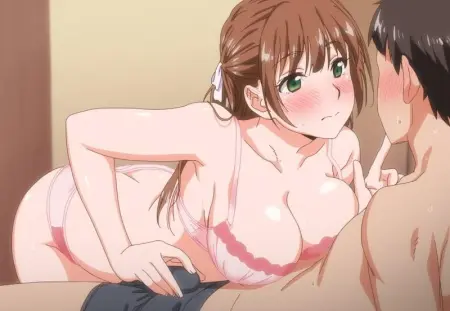
The creative potential that comes from anime style is not just about creating individual character designs or single images. It can also create a visually cohesive "world" through location, atmosphere, color, architecture, costume design, and how each element relates to others in this created world.
AI technology is opening up many new avenues for artists to explore and develop many different aspects of their worlds. Instead of having to have the overall look of their world developed before they begin designing, artists now can pick a single image/element they want to begin with and then build upon it to create a larger, more defined visual world.
The platform AI Hentai is an example of the rapidly expanding number of platforms that specialize in using AI-generated visuals to allow users to create unique and imaginative anime-style concepts.
Not every story that takes place in a fictional world needs to have a full story for how the world came to be.
A whole world could simply begin from one area.
The area could be a futuristic city, a small coastal town that is peaceful, an old temple that is surrounded by forest, or even a completely imaginative world.
When you visualize your setting, you will then see many other possibilities to build upon the idea.
You can create characters, have things happen, and continue to think about new areas (in relation) to the initial setting.
Two environments could be visually alike but have two totally disparate emotional effects.
Atmosphere in an environment is determined by many things (lighting, weather, colors, time of day).
A bustling metropolis would likely appear as warm and inviting on a sunny morning. A rainy evening in that same metropolis may evoke mystery.
With AI, designers can explore how changing their design choices will impact the world they create.
The specifics of what is shown in a scene do not have to be explained by dialogue or narration.
A library full of dusty books may tell us something about the character’s interests. A set of tools on a workbench may give away their job. A specific architectural style may tell us where we are.
These small elements can also contribute to the narrative.
A scene does not need to explain everything directly.
A room filled with old books can suggest a character's interests. A collection of tools can reveal their profession. A particular architectural style can provide clues about the setting.
Small details can therefore become part of the storytelling.
Creators can use AI to explore these details and see which ones communicate the strongest sense of place.
A fictional world becomes more convincing when its locations feel related.
A central city might connect to surrounding villages. A school might have nearby streets, parks, and shops. A fantasy kingdom might contain forests, castles, roads, and smaller settlements.
These connections create a sense that the world continues beyond the boundaries of a single image.
AI can help creators visualize different locations while maintaining a common creative direction.
There is rarely one correct way to present a fictional world.
Creators can experiment with different artistic approaches to determine what best represents their concept.
A highly detailed presentation may emphasize the complexity of an environment. A softer approach may focus more strongly on mood. A cinematic composition can make a scene feel like part of a larger narrative.
Testing these approaches can help creators discover a visual language that suits their project.
Once a world begins to take shape, individual images can become connected.
A character introduced in one location might appear somewhere else later. A background detail from one scene could become important in another.
This creates opportunities for sequential storytelling.
Instead of producing unrelated images, creators can gradually build a collection where each creation contributes something to the same fictional setting.
Creators do not always know exactly what their finished world should look like.
That uncertainty can be useful.
AI can provide visual interpretations that help creators decide what they like and what they want to change.
A generated environment might inspire a new character. A character concept might suggest another location. A particular color palette might become the foundation for an entire project.
The creative direction can develop through this process.
Generative AI is increasingly being adapted for specific creative interests.
Some platforms focus on general-purpose image generation, while others are designed around particular visual communities and content categories.
Platforms such as AI Hentai represent one specialized application of generative AI, giving users a focused way to explore fictional anime-inspired characters, environments, and visual concepts.
This specialization reflects a broader trend toward AI tools designed around particular creative workflows.
AI is capable of generating potential worlds and creating visual representations; however, the creator decides to use their own judgment in determining what ideas relate to each other.
A creator's choices determine what the world will look like, who/what populates it, where specific places are located, and how they all fit into the overall structure.
Therefore, AI cannot create its own meaning for a fictional world on its own.
As generative technology improves, creators may have more tools for developing connected fictional environments.
Characters, locations, scenes, and visual styles could become easier to manage as parts of larger projects.
This could make AI useful not only for individual illustrations but also for developing broader visual narratives.
The ability to experiment quickly may encourage creators to explore ideas that would otherwise remain unfinished concepts.
A fictional world may be developed from very small beginnings.
Perhaps it begins in one of the most obvious ways by identifying a place, a character, a color palette, an environment, or even just a feeling about the atmosphere that creates an initial idea.
Creators also have AI as an additional tool for developing their first beginning.
As they experiment with a variety of different settings for their story, characters, visual elements, and other types of creative expressions, they are able to create a single concept/idea into a fully formed fictional world.
As specialized platforms such as AI Hentai continue to become part of the generative AI landscape, they offer another example of how technology is expanding the ways creators can explore anime-inspired digital content.
The finished world may begin with AI-generated possibilities, but it is the creator who decides how those possibilities come together.
AI technology is opening up many new avenues for artists to explore and develop many different aspects of their worlds. Instead of having to have the overall look of their world developed before they begin designing, artists now can pick a single image/element they want to begin with and then build upon it to create a larger, more defined visual world.
The platform AI Hentai is an example of the rapidly expanding number of platforms that specialize in using AI-generated visuals to allow users to create unique and imaginative anime-style concepts.
A World Can Begin With One Location
Not every story that takes place in a fictional world needs to have a full story for how the world came to be.
A whole world could simply begin from one area.
The area could be a futuristic city, a small coastal town that is peaceful, an old temple that is surrounded by forest, or even a completely imaginative world.
When you visualize your setting, you will then see many other possibilities to build upon the idea.
You can create characters, have things happen, and continue to think about new areas (in relation) to the initial setting.
Atmosphere Gives a Setting Its Identity
Two environments could be visually alike but have two totally disparate emotional effects.
Atmosphere in an environment is determined by many things (lighting, weather, colors, time of day).
A bustling metropolis would likely appear as warm and inviting on a sunny morning. A rainy evening in that same metropolis may evoke mystery.
With AI, designers can explore how changing their design choices will impact the world they create.
Characters Should Belong to Their Environment
The specifics of what is shown in a scene do not have to be explained by dialogue or narration.
A library full of dusty books may tell us something about the character’s interests. A set of tools on a workbench may give away their job. A specific architectural style may tell us where we are.
These small elements can also contribute to the narrative.
Visual Details Can Tell a Story
A scene does not need to explain everything directly.
A room filled with old books can suggest a character's interests. A collection of tools can reveal their profession. A particular architectural style can provide clues about the setting.
Small details can therefore become part of the storytelling.
Creators can use AI to explore these details and see which ones communicate the strongest sense of place.
Building Connections Between Locations
A fictional world becomes more convincing when its locations feel related.
A central city might connect to surrounding villages. A school might have nearby streets, parks, and shops. A fantasy kingdom might contain forests, castles, roads, and smaller settlements.
These connections create a sense that the world continues beyond the boundaries of a single image.
AI can help creators visualize different locations while maintaining a common creative direction.
Experimenting With Different Visual Languages
There is rarely one correct way to present a fictional world.
Creators can experiment with different artistic approaches to determine what best represents their concept.
A highly detailed presentation may emphasize the complexity of an environment. A softer approach may focus more strongly on mood. A cinematic composition can make a scene feel like part of a larger narrative.
Testing these approaches can help creators discover a visual language that suits their project.
From Individual Images to Larger Stories
Once a world begins to take shape, individual images can become connected.
A character introduced in one location might appear somewhere else later. A background detail from one scene could become important in another.
This creates opportunities for sequential storytelling.
Instead of producing unrelated images, creators can gradually build a collection where each creation contributes something to the same fictional setting.
AI Can Help Explore Ideas Before They Are Fully Developed
Creators do not always know exactly what their finished world should look like.
That uncertainty can be useful.
AI can provide visual interpretations that help creators decide what they like and what they want to change.
A generated environment might inspire a new character. A character concept might suggest another location. A particular color palette might become the foundation for an entire project.
The creative direction can develop through this process.
Specialized Platforms and Anime-Inspired Creation
Generative AI is increasingly being adapted for specific creative interests.
Some platforms focus on general-purpose image generation, while others are designed around particular visual communities and content categories.
Platforms such as AI Hentai represent one specialized application of generative AI, giving users a focused way to explore fictional anime-inspired characters, environments, and visual concepts.
This specialization reflects a broader trend toward AI tools designed around particular creative workflows.
The Creator Remains the World Builder
AI is capable of generating potential worlds and creating visual representations; however, the creator decides to use their own judgment in determining what ideas relate to each other.
A creator's choices determine what the world will look like, who/what populates it, where specific places are located, and how they all fit into the overall structure.
Therefore, AI cannot create its own meaning for a fictional world on its own.
Where Anime-Inspired AI Creation Could Go Next
As generative technology improves, creators may have more tools for developing connected fictional environments.
Characters, locations, scenes, and visual styles could become easier to manage as parts of larger projects.
This could make AI useful not only for individual illustrations but also for developing broader visual narratives.
The ability to experiment quickly may encourage creators to explore ideas that would otherwise remain unfinished concepts.
Final Thoughts
A fictional world may be developed from very small beginnings.
Perhaps it begins in one of the most obvious ways by identifying a place, a character, a color palette, an environment, or even just a feeling about the atmosphere that creates an initial idea.
Creators also have AI as an additional tool for developing their first beginning.
As they experiment with a variety of different settings for their story, characters, visual elements, and other types of creative expressions, they are able to create a single concept/idea into a fully formed fictional world.
As specialized platforms such as AI Hentai continue to become part of the generative AI landscape, they offer another example of how technology is expanding the ways creators can explore anime-inspired digital content.
The finished world may begin with AI-generated possibilities, but it is the creator who decides how those possibilities come together.
Related news:
Pornova — News
Essential VR Streaming Gear Every Cam Star Must Own According to Lemoncams Models
1
76
28 Sep 26


Pornova — News
Defying Taboos: Mia Khalifa's Controversial Porn Career in Review
311
3 266
07 Jan 24
Comments:
Popular Tags

 Twitter OLD